
Former Projects
TC4Real: Harnessing plant tissue culture technology for education, research and improved livelihoods
Food security is still a significant issue, especially for small-scale farmers. This is primarily due to the low productivity of rainfed staple food crops, which has been further worsened by recurring droughts and emerging diseases. To address this problem, there is a dire need for climate-smart and disease-resistant varieties of these crops.
ClImate Smart Banana (CLISMABAN)
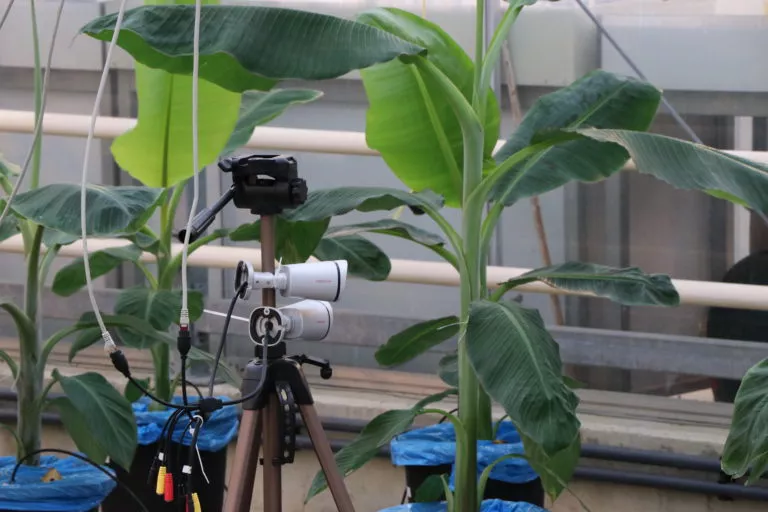
The CLISMABAN (CLImate SMArt BANana) project aims to exploit the existing genetic resources and diversity of banana to select with input from all actors of the banana value chain (consumers, farmers, processors…) the varieties that will be resilient to the constraints that are threatening production because of climate change.
Potatoes 4 the Future
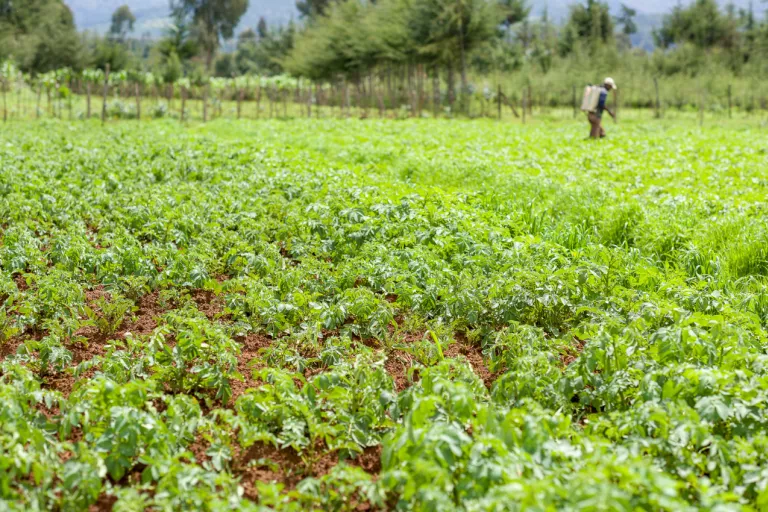
Under the ‘Potatoes 4 the Future’ project, VIB-IPBO is joining efforts with IITA, JHI, and the Syngenta Foundation to support the transfer and the adoption of new PCN-resistant varieties demanded by farmers and consumers in the Kenya potato industry.
Cassava Cyanide diseases & Neurolathyrism network (CCDN)
The ‘Cassava Cyanide Diseases & Neurolathyrism Network’ (CCDNN) is a free worldwide network aiming to eliminate cyanide poisoning, konzo, tropical ataxic neuropathy (TAN) and neurolathyrism. The CCDN Network has nearly 700 members worldwide from 60 countries and is free. If you wish to join please contact the coordinator.

International Industrial Biotechnology Network (IIBN)
Mission ; IIBN fosters sustainable biotechnology applications for innovative farming and inclusive industrial development with a focus on low and middle-income countries.

Flanders-UNIDO risk assessment research network ( FURARN)
FURARN is an international coordination action project funded by the Research Foundation – Flanders (FWO Vlaanderen) and UNIDO. The network aims to bring together scientists and biosafety experts with complementary expertise in fields allowing the risk assessment of a GMO.
As a networking institute and focal point bringing together different disciplines in the field of biotechnology and biosafety, the Institute of Plant Biotechnology for Developing Countries (IPBO) acts as the coordinator of the FURARN network.

ALCUE-KBBE – Towards a latin American and Caribbean knowledge-base bio-economy in partnership with Europe
The emerging bio-economy is increasingly viewed as a workable alternative to moving today’s economies toward more sustainable natural resource use and economic growth in different parts of the world.
Lathyrus
Lathyrus sativus (grass pea or chickling vetch, guaya in Ethiopia, khesari in India) is a daily food for millions in Asia and Africa. It was already harvested in neolithic times and is still a popular and promising crop, producing the cheapest dietary protein available. The plant is probably the most drought tolerant legume crop and also resistant to moderate salinity.
Cassava
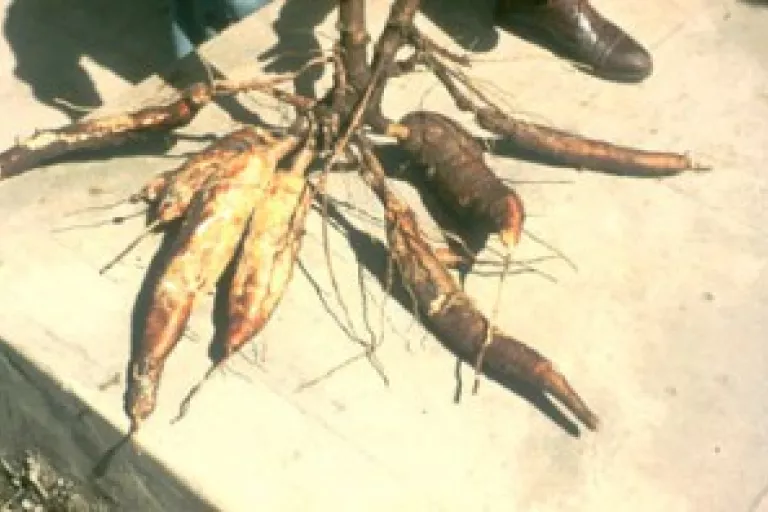
Cassava or manioc (Manihot esculenta Crantz, fam. Euphorbiaceae) is a tropical food crop widely grown in Africa, Asia and Latin America. The leaves are consumed as green vegetables and the roots as a staple food in most cassava-growing countries, particularly in the Democratic Republic of Congo (DRC), Congo-Brazzaville, Gabon, Cameroon, Liberia, etc.