
News
Online Café: Eragrostis nindensis AKA Lovegrass
In this Online Café, we host two scientists from the Booster Project EU. Within a consortium from Europe and South Africa, they are exploring species-specific drought-responsive features and to improve drought tolerance in crops such as maize and teff. Dr. Llewelyn van der Pas (University of Cape Town) discusses the physiology and stress biology of E. nindensis, sharing insights from large-scale proteomic studies and rhizosphere microbiome surveys that reveal how the plant and its microbial partners endure prolonged drought. Dr. Bojana Banović Đeri (CREA Ricerca) presents a molecular perspective, highlighting transcriptional and regulatory networks uncovered through mRNA-seq and MOA-seq analyses, and explaining how these findings could inform strategies to enhance drought resilience in crops like maize and teff.
Online Café: Accelerating plant molecular biology in Africa through local manufacturing of reagents
This guest lecture highlighted the critical challenges faced by researchers in Africa due to slow and expensive supply chains for molecular biology reagents. Jenny discussed how these limitations hinder the practical application of advanced molecular biology techniques, such as gene editing, despite growing training and interest in the field. She explored key bottlenecks and potential solutions through distributed manufacturing of reagents within Africa. The presentation featured the work of the Reagent Collaboration Network (Reclone.org), which leverages open-source and open-science principles for knowledge sharing and co-development. It also spotlighted initiatives by Growmore Foundation and ISAAA Africenter, which aim to improve access to plant molecular biology tools and partnerships to support food security in low- and middle-income countries (LMICs).
Online Café: Exploring Nematology
Durign this Online Café: Exploring Nematology: From Farming Practices in South Africa to Potato Cyst Nematode Discoveries in Tanzania, we learn, connect, and explore the hidden (and powerful!) world beneath our feet.
Taking us into the fascinating world of nematology:
Dr. Nancy Ntidi - with 24 years of experience, she is a researcher at the Agricultural Research Council in Potchefstroom, South Africa. Nancy is committed to raising awareness about the impact of nematodes on crop production, empowering farmers, and driving scientific progress.
Dr. Yasinta Nzogela – Lecturer at Sokoine University of Agriculture, Tanzania. With a PhD in Bioscience Engineering from Ghent University, she specializes in soil health and the molecular characterization of plant-parasitic nematodes
Online Café: The Potential of Grasspea
The Online Café, The Potential of Grasspea: Tools, Traits, and Future Prospects, featuring the Fernand Lambein Fund, had for speakers two outstanding experts in the field:
Dr. Anjali Verma, a plant molecular biologist specialising in functional genomics and genetic engineering. Holding a Ph.D. in Biotechnology from NABI-RCB, India, she focuses on developing safer grass pea varieties by studying β-ODAP metabolism and its role in stress adaptation. As an Open Doors Fellow, supported by the Fernand Lambein Fund, Dr. Verma has researched stress signaling and β-ODAP integration, aiming to enhance the grass pea’s resilience and nutritional quality.
Dr. Carlota Vaz Patto, a Principal Investigator at ITQB NOVA, Portugal, leads the PlantX Lab. Her research aims to improve grasspea by investigating its genetic and genomic traits, especially its resilience to environmental stresses such as drought and pests. With over 20 years of experience in legume research, Dr. Vaz Patto applies statistical genetics to enhance the agronomic traits of grasspea and is dedicated to engaging young researchers and end-users—farmers, processors, and consumers—in realizing the potential of underutilized legumes.
This Online Café offers valuable insights into different approaches for studying grasspea, a legume with great promise.
Online Café: Agrobacterium-mediated transformation of cereals for Striga resistance
This Online Café featured presentations from Prof. Laurens Pauwels and Prof. Steven Runo, both renowned experts in plant biotechnology and molecular biology under the theme: Agrobacterium-mediated transformation of cereals for Striga resistance.
Prof. Laurens Pauwels leads the Laboratory for Plant Transformation & Gene Editing at Ghent University (UGent), Department of Biotechnology (www.pauwelslab.be). His research focuses on CRISPR/Cas9 gene editing and Agrobacterium engineering, with the goal of enhancing transformation methods for crops such as maize and wheat. His work contributes to improving genetic modification techniques that can boost crop resilience and productivity. Prof. Steven Runo, a leading plant biotechnologist from Kenyatta University, specializes in molecular approaches to combating parasitic weeds. His research is dedicated to developing Striga-resistant sorghum through molecular genetics and breeding technologies. By enhancing cereals' resistance to this devastating parasitic plant, his work plays a crucial role in improving food security across Africa.
Together, they shared insights on Agrobacterium-mediated transformation of cereals improvement, bridging the gap between cutting-edge scientific research and practical agricultural applications. Their insights provide valuable perspectives on how advanced biotechnological tools can be leveraged to address major agricultural challenges.

Online Café: Genomic and Transcriptomic Insights into Drought Responses to Enhance Crop Productivity
Prolonged periods of inadequate water supply -drought- severely affect plant growth and development. Plants have evolved temporal and spatial response mechanisms to drought. In additional to structural and morphological adaptations, the plant response to drought are driven by complex molecular and biochemical pathways.
This critical topic was explored in an insightful Online café session in the framework of the EU-Horizon BOOSTER project by Dr. Hilde Nelissen, Adjunct Director at VIB-Center for Plant Systems Biology and Professor at Ghent University and Dr. Damaris Odeny, Principal Scientist at ICRISAT. They highlighted their work on advanced genomic methods and tools aimed at enhancing crop resilience to drought and overcoming growth and development constraints, offering innovative solutions for improving agricultural sustainability in water-scarce agricultural system occasioned by climate change.

Crop Science Association of Tanzania Annual Scientific Conference
Plant B&B facilitated the participation of Dr. Marc Heijde, VIB-IPBO Program Manager and Ms. Anne Muia, Scientific Officer at the National Biosafety Authority-Kenya, to the Crop Science Association of Tanzania (CROSAT) Annual Scientific Conference in November 2024 in Dodoma, Tanzania.
During the conference, the scientists highlighted the potential benefits of integrating plant biotechnology into conventional agriculture and emphasized the need to amend the National Biosafety Framework to enable experimentation and commercialization of gene-edited crops as a sustainable solution to climate challenges. Their sentiments were ably echoed by Vice Chancellor of Sokoine University of Agriculture Prof. Raphael Chibunda. Prof Chibuda emphasized the need to ease the strict laws and regulations which limit the adoption of Biotechnology in Tanzania. This visit was made at the invitation of Plant B&B partner Dr. Yasinta Nzogela, a lecturer at Sokoine University of Agriculture and a Open Door Program Fellow at VIB-IPBO.

MoBioLab: building knowledge and skills in molecular biology
IPBO continues its mission of leaving a positive impact on the use of molecular biology techniques in African research and education. This November, the IPBO team was in Nairobi, Kenya for the inception of phase II of the MoBioLab project: a hands-on course in advanced molecular biology techniques.
16 lectures, PhD candidates, MSc students and lab technicians from Kenyatta University and Moi University came together in the laboratory to learn about molecular cloning. This was for all an enriching opportunity that extends beyond the laboratory walls. The trainees had the chance not only to gain confidence in handling laboratory equipment, but also to learn and practice an Active Learning approach to teaching: an interactive method to engage students in class and transfer knowledge in an effective way.
The IPBO team keeps on growing with its network and it is ready to deliver the next hands-on course to the partners in Uganda and Ethiopia in early 2025. Stay tuned!

Online Cafe: Biostimulants for sustainable agriculture in Europe and Africa
Did you know that some soil bacteria are able to enter in symbiosis with crops and legumes and promote nitrogen fixation?
In this Online Cafè we dived into the use of Rhizobia -a nitrogen fixating bacteria- as biostimulant, to improve plant growth, nutrition and abiotic stress tolerance in crops. Watch the seminar to know more about the use of Rhizobia as biostimulant in East Africa and Europe. This Online cafe was the first of a series of cafes dedicated to the EU - Horizon BOOSTER Project.

Online Café: Socioeconomics and ecophysiology of Asystasia gangetica in vegetable consumption.
Did you know that wild indigenous vegetables have the potential to circumvent present effects of climate change on food security?
There is a little-known green leafy "weed", Asystasia gangetica ssp. micrantha whose potential as a food resource has not been fully assessed. Its integration into the modern food system needs science-based advocacy and sensitization. Join us as we walk down memory lane, tying the socioeconomics and modern ecophysiological assessments of this wonder "weed" that has the potential to transform our modern food cultures.

Online Café: Nematodes, Biofertilizers, and Plants: Cultivating a Sustainable Future.
As the demand for organic and nutritionally rich foods grows, so do the challenges in ensuring a seamless journey from field to plate. Farmers face heightened levels of crop infestation, posing threats to livelihoods and food security. In response, dedicated researchers across various fields are tirelessly working to provide solutions.
With Dr. Jackie Epila (PhD) as moderator, our esteemed panelists, Dr. Anique Godjo, Ms. Mariam Diallo, and Dr. Annah Indeche will share insights into the current state of affairs and measures taken to safeguard farmers' investments in crop production.

Online Café: Enhancing Food Security & Nutrition through Phenotyping.
International Maize and Wheat Improvement Center (CIMMYT) scientists Natalia Palacios Rojas, Zerka Rashid, and Ana Luísa Garcia-Oliveira showcase the role of phenotyping in addressing global challenges.
Gain profound insights into the challenges faced in these diverse regions and discover how phenotyping contributes to developing a more resilient and nourished future.

Online Café: The Narratives of African Women in Science
Liz Ng'ang'a is a social scientist and communications specialist focused on the intersection of science, technology, and development. Liz holds a Ph.D. in International Development and has contributed her expertise to prestigious organizations, including the Joint Support Secretariat Office (JSSO) of the African Union Commission, the African Development Bank, the UN Economic Commission for Africa, FAO, TWAS, and the Science and Development Network.
Liz has unveiled the remarkable stories of African women scientists in "Earth, Oceans, and Skies," a captivating publication by the United Nations Economic Commission for Africa.
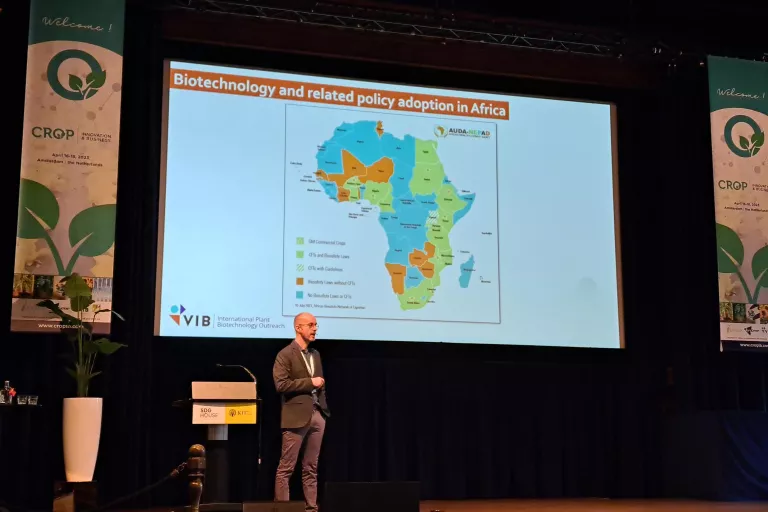
IPBO took part in the International CROP Innovation & Business (CropIB) conference in Amsterdam, the Netherlands.
The CropIB conference brings together different stakeholders from the international agri-food community to discuss innovations and solutions for challenges in agriculture. This year the conference took place in Amsterdam, from the 16th to the 18th of April, 2023. Our team leader, Marc Heijde was invited as a speaker to present the latest developments in plant breeding to adapt to the changing environments and (consumers) market. Marc’s speech aimed to provide a better understanding of African agribusiness and Research environment and identify opportunities in the sector.
International day for women and girls in science, 2023
On February 11th, we joined the world to celebrate women and girls in science. The aim in 2023 was to connect women and girls in science to the international community, thus strengthening the ties in science, policy and society for future-oriented strategies.
The international plant biotechnology outreach supports women in science through some initiatives, such as the Open doors fellowship program. This fellowship program targets mid-career female scientists.
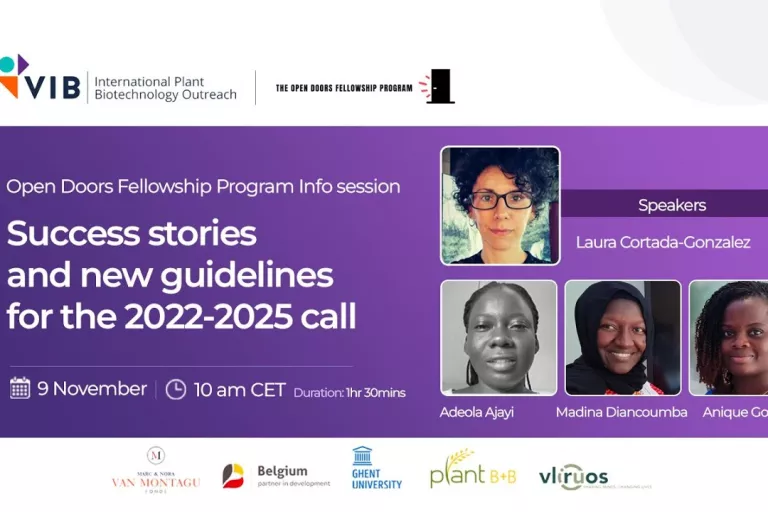
The Open Doors Fellowship Webinar: 2022
The open doors fellowship program ( ODFP ) targets African female researchers to help them acquire soft and hard skills to strengthen their placements within the hosting situation. During the webinar, the first cohort ( Adeola Ajayi, Madina Diancoumba and Anique Godjo ) shared their short research stay experience in Belgium. Laura Cortada, the project coordinator, explained the new guidelines for the call. The ODFP program received a grant from VLIR-UOS for 2022 – 2025. Through this grant, a total of sixteen female researchers will be sponsored, with each cohort having eight participants.
The call is officially open today: 10th of November 2022 till 10th of January, 2023
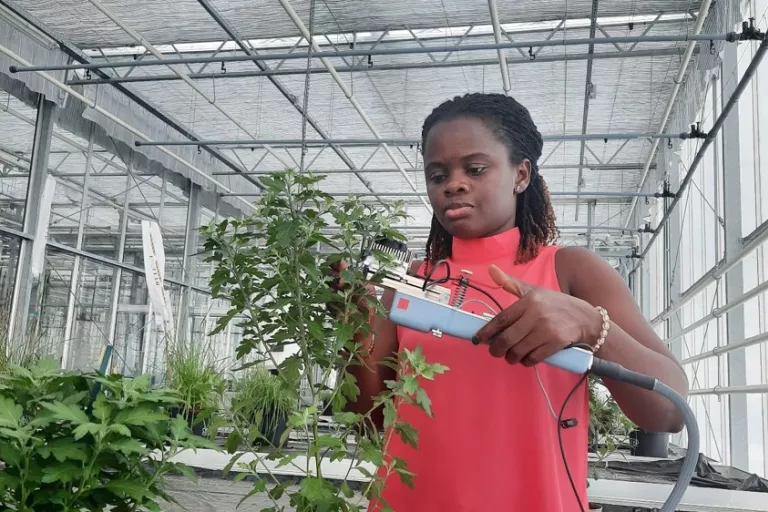
Anique Godjo an Open Doors Fellowship Program recipient shares her experience with the program
Anique Godjo from Benin joined the OPDF in 2022. At the time, Anique was working on a sweet potato breeding project. She also has an extensive research background on nematodes. Anique was hosted by Dr Emmy Dhooghe & Dr Ellen De Keyser (Plant Sciences) at ILVO during her short research stay in Belgium.
How does the Fellowship address the challenges faced by women in science and research?
The Open Doors Fellowship Program addresses these challenges by supporting women scientists by providing them with soft skill training and helping them with their career development by growing their research network, hence giving them more funding opportunities.
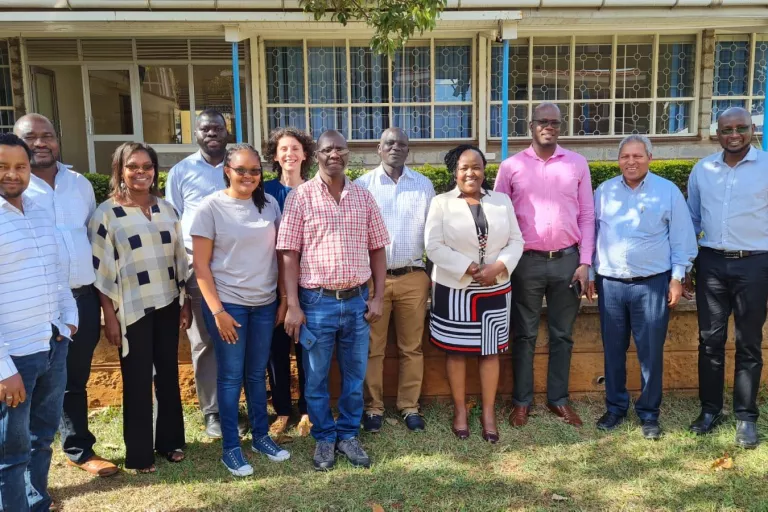
Workshop: Bioinformatics and Genome Editing for Sustainable Agriculture in Africa (BioGen+) Erasmus+ CBHE Consortium meeting in Nairobi, Kenya
In October 2022, the VIB-IPBO team organized a 3- day workshop in Nairobi, Kenya. We met with partners from Kenyatta university (KE, our host), Moi university (KE), Addis Ababa University (ET), Haramaya university (ET), Muni University (UG), Makerere University (UG) and France. The consortium discussed the current state of expertise in genome editing within their institutions and the need to bridge the current expertise gap by working together to equip their staff and students with practical experiences in genome editing.
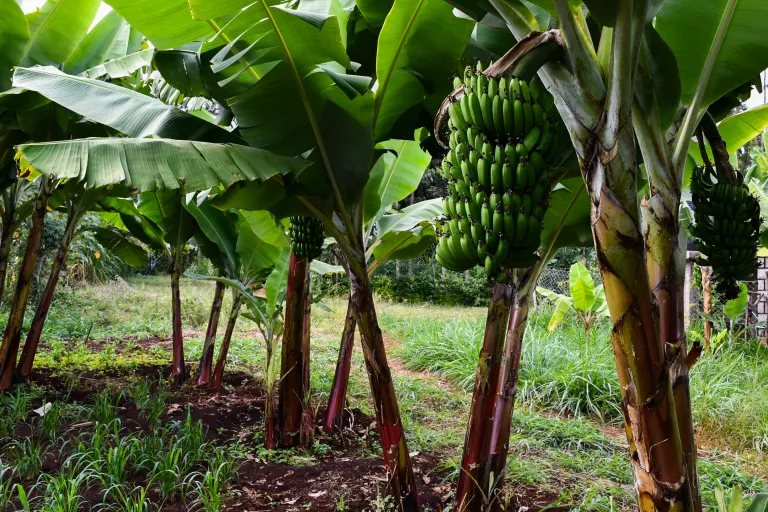
Z-Life Sciences: Scientific research for a more sustainable agriculture
Prolonged periods of drought have led to a decrease in food production. Thus, food security is not guaranteed, especially in developing countries. VIB set up a specific program to better arm these countries against climate change. Climate-smart Bananas ( CLISMABAN ) focused on developing drought-tolerant bananas using genome editing.
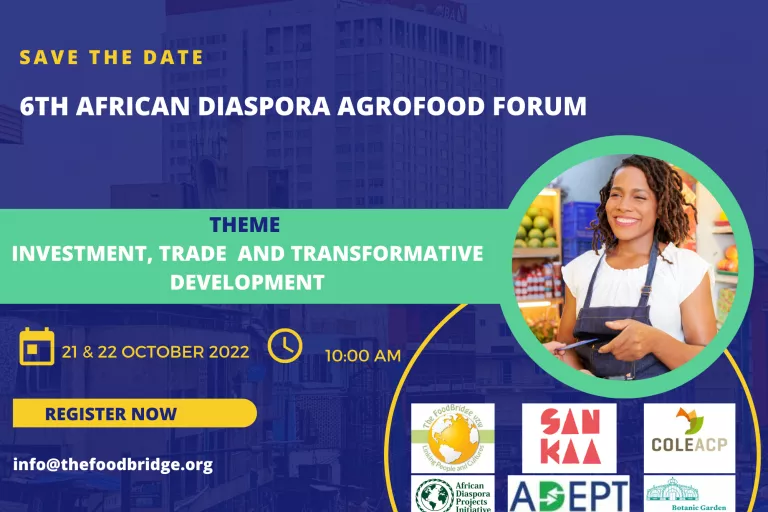
6th African Diaspora Agrofood Forum
You are invited to the 2022 African Diaspora Agrofood Forum. The theme for this 6th edition is Investment, Trade and Transformative Development.
This is a hybrid event scheduled for the 21st and 22nd of October 2022. The first is for the conference and the second day will be the annual agrofood exhibition in Brussels, Belgium.
This event is organized by The Food Bridge. For any inquiries contact: info@thefoodbridge.org or thefoodbridge@gmail.com
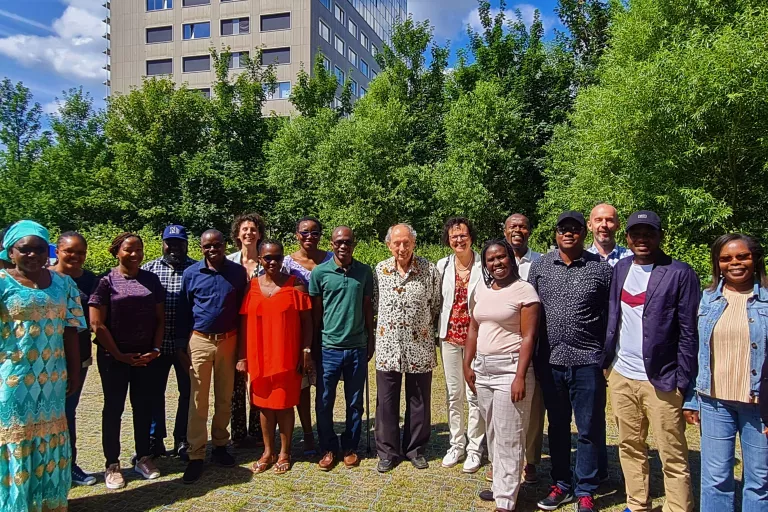
Modern breeding techniques for maize improvement
Twelve African scientists attended this course for one month. The study focused on: The latest scientific developments and tools to accelerate maize breeding (both conventional breeding and biotechnological techniques); The latest essential insights in the regulatory framework and environmental risk assessment principles in Africa and Europe, and methods to collect reliable data that allow a thorough environmental risk assessment of new maize varieties. The participants also attended three workshops where they developed skills in public presentations, scientific communication and how to write competitive EU proposals.
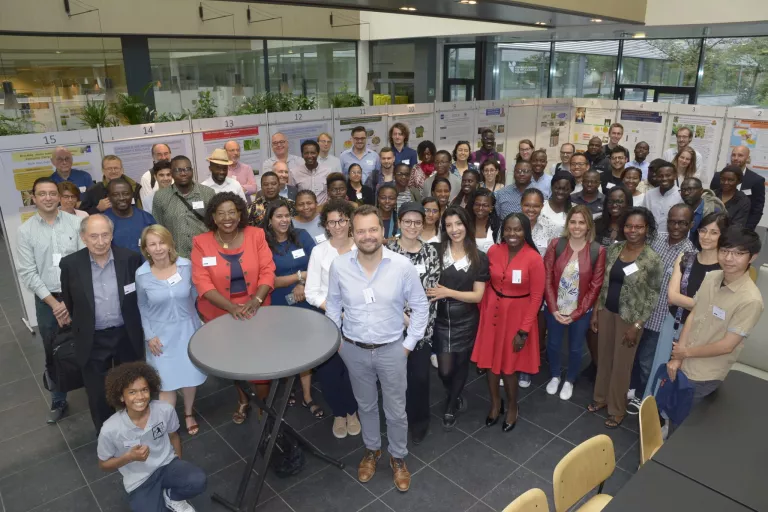
The potential of genome editing for sustainable African agriculture
On June 30 and July 1, VIB-IPBO organized a symposium on genome editing and the potential of this technology to be transformative towards a more resilient and sustainable agriculture in Africa. During this event, we elaborated on the ongoing research in the field on crops that are relevant to the continent. We looked at the regulatory frameworks and their capacity to enable technology adoption. The socio-economic potential of this technology was adressed to better understand if Africa is eager to adopt this technology and if there is any benefit for the continent in doing so.
The Open Doors Fellowship Program receives international attention
The start of the Open Doors Fellowship Program developed by VIB-IPBO is bringing the attention of international agricultural research institutions working in Africa. This month, the International Institute of Tropical Agriculture (IITA) features Dr Laura Cortada in the interview 'Bridging the gender gap in research across Africa'. In this interview, Laura presents the program's objectives and the opportunities it offers to the participants, alongside its expected outcomes and how IPBO foresees the future of our program.
We celebrate the International Women's Day 2022
At VIB-IPBO today, we also celebrate the International Women's Day.
As a not-for-profit research organization, part of our contribution focuses on giving women researchers better opportunities to acquire hard and soft skills to navigate their career paths successfully. And we also work towards forging positive visibility of women's scientific achievements. And we are proud to say that we work on this 365 days a year.
Our Flagship Project is the Open Door Fellowship Program, designed to support the professional development of women researchers in African institutions with our international partners and collaborators. And we intend to work closely with their institutions to generate awareness about the need to develop and implement meaningful policies that can contribute to #BreakingTheBias. But we also work in the field with our partners to ensure that women and men in the farming communities can access technologies relevant to their socio-economic needs because gender equality is needed everywhere.
On such as special day, we want to thank all our collaborators who work with our team to build more inclusive workplaces and societies:
#UGent #AAWSE #ILVO #BeWise #IITA #AllianceForScience #ScienceStoriesAfrica #EOs #Leap-Agri EU #KenyattaUniversity #GAP UGent
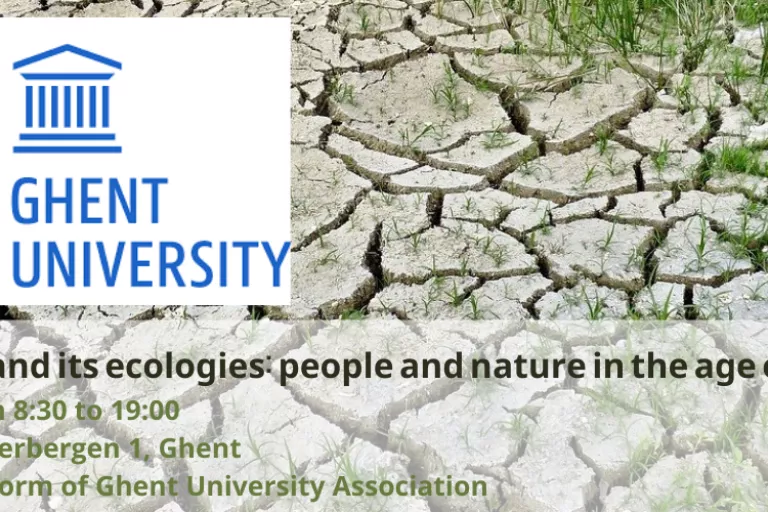
GAPSYM 14: Africa and its ecologies. People and nature in the age of climate change
This 14th multi-disciplinary conference of the UGent Africa Platform hopes to showcase how scientists, policymakers, engineers, artists, writers, opinion-makers and educators anticipate these challenges and reflect on alternative trajectories of societal transformation. Therefore its principal focus is on the impact of climate change on African cultures, landscapes and societies.
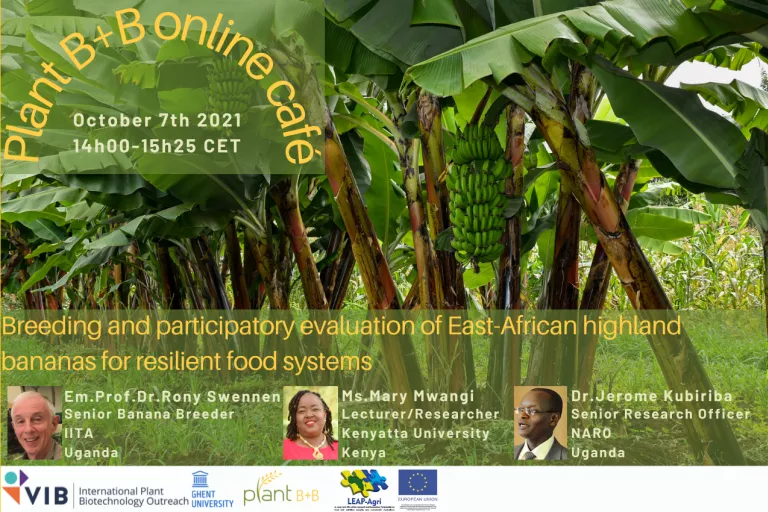
3rd Online café PlantB+B
In our third Plant Biotechnology and Breeding (Plant B+B) online café we have invited speakers Em. Prof. Dr Rony Swennen (IITA), Dr Jerome Kubiriba (National Agricultural Research Organization- NARO, Uganda) and Mary Mwangi (Kenyatta University, KU, Kenya)
Our invited scientists presented their findings on how the breeding work conducted by their teams has been instrumental in creating high-yielding cooking bananas and how these new varieties are finding their way to East African markets. Indeed, the speakers went further than the breeding work and will share their experiences on the key characteristics that lead to a better adoption by farmers of the newly bred banana lines and the acceptance by the local consumers. The researchers further discussed cross-cutting aspects such as how gender-responsive breeding and improved agronomical practices have a role to play in adopting and disseminating the new banana varieties to improve EA farmers’ livelihoods.
Why gene editing could be music to growers' ears
In this new article from our Speaking Science 2021 course, we capture de story of Rose Harriet Okech, who is a researcher at the International Institute of Tropical Agriculture (IITA), Nairobi (Kenya). She talks about how the availability of improved planting stock to farmers is hampered by long waiting times because breeding processes are generally lengthy. As the world's population continues to increase, the need for a food-safe planet increases even more. Rose is currently working on a gene-editing system that would help accelerate the development of plants with increased adaptability.
Speaking Science fellows on Eos Blogs Natuur & Milieu
If we want to feed 9.7 billion people by 2050, we need to act fast. Genetically modified crops can offer a solution. That is, if public opinion is on the side of science.

Article "De Tijd" June 10th 2021
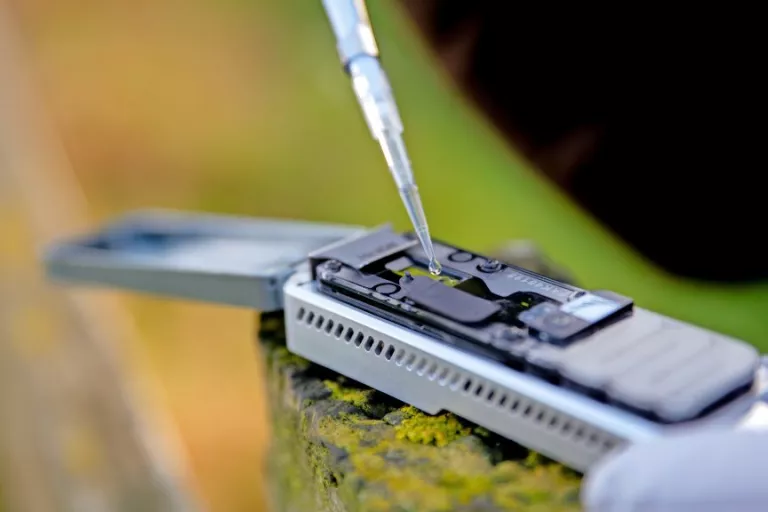
A VIB team is investigating the possibility of using the MinION, an ONT device, to set up 'mobile water clinics' in Africa.
The plan is to regularly check the water quality in wells in remote places by isolating the DNA in the water samples and checking for DNA from pathogens such as Ebola, diphtheria, salmonella and cholera.
"It's a small device, no bigger than a smartphone. You can take it with you, connect it to the computer and read DNA, anywhere in the world. In the other case, it is not easy to ensure the quality of the research samples if you have to transport them cooled through the bush for hundreds of kilometers to a lab', says molecular biologist Marc Heijde, who is helping to set up the project.
Applied Climate Research in Africa
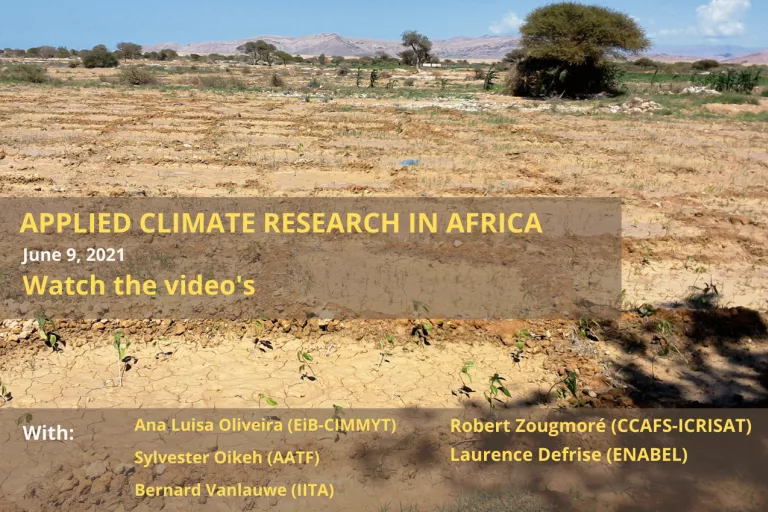
Climate change has a substantial impact on food systems' stability. Hampered food production and availability directly impact smallholder farmers, who are the most vulnerable stakeholders. Thus, to minimize climate change's detrimental effect, food production chains need to incorporate mitigation and adaptation mechanisms to guarantee food security.
This satellite event, "Applied Climate Research in Africa, " aimed to showcase examples of scientific actions undertaken in Africa to enhance agricultural systems' resilience to climate-related challenges. Four scientists from leading research centers presented their latest interventions to adapt crops and manage agricultural systems in Africa sustainably in the current scenario of climatic uncertainly. Our invited speakers provided an overview of actual relevant examples successfully implemented in Africa regarding breeding healthier crops, their deployment in the field, farmers' adoption of new technologies, and sustainable farming practices to achieve climate-resilient agricultural and food systems.
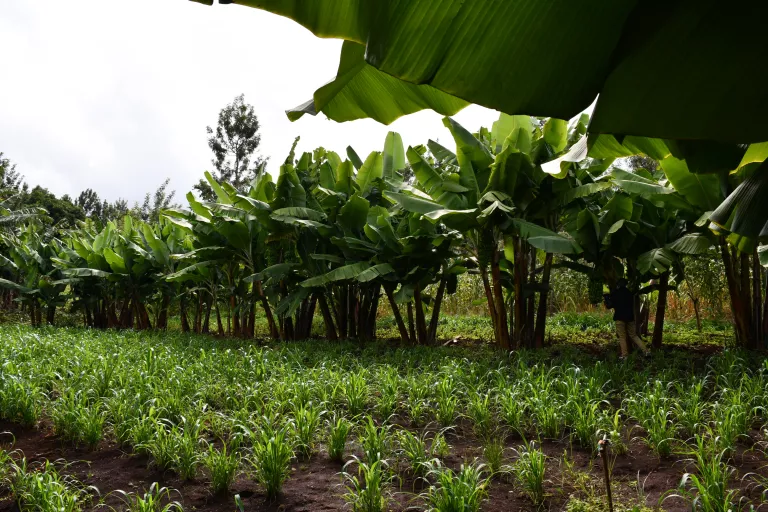
CLISMABAN is featuring on the Kenyan News
Farmers in Embu, Kirinyaga, Murang’a to get hybrid green banana varieties
Summary: In Kenya, bananas are the fourth most produced crop after sugar cane, maize and potatoes and the third most important food after maize and rice. The annual production is 1.5 million tonnes, which is lower than that in Uganda and Tanzania at 4.4 million and 4 million tonnes, respectively. ~ The star
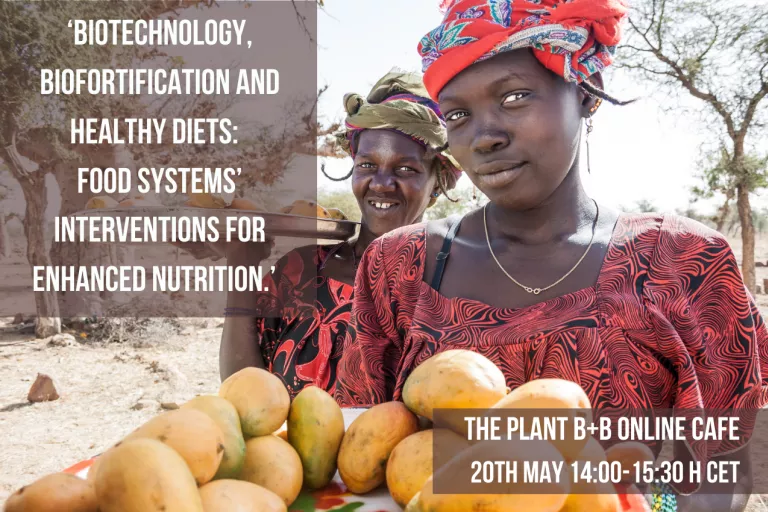
Online café Plant B+B
Biotechnology, biofortification and healthy diets: food systems' interventions for enhanced nutrition.
In this new Plant B+B Online Cafe, we featured the scientific views of Prof Dr Dominique Van Der Straeten, Prof Dr Hans De Steur, and Prof Dr Carl Lachat (UGent). Our invited researchers presented their findings on how biotechnology is essential for crop biofortification and the socio-economic determinants for adopting biofortified varieties. Furthermore, we discussed how scientists could promote biofortified crops and what strategies could be used by scientists and practitioners to integrate biofortification into broader food system interventions for healthy diets.
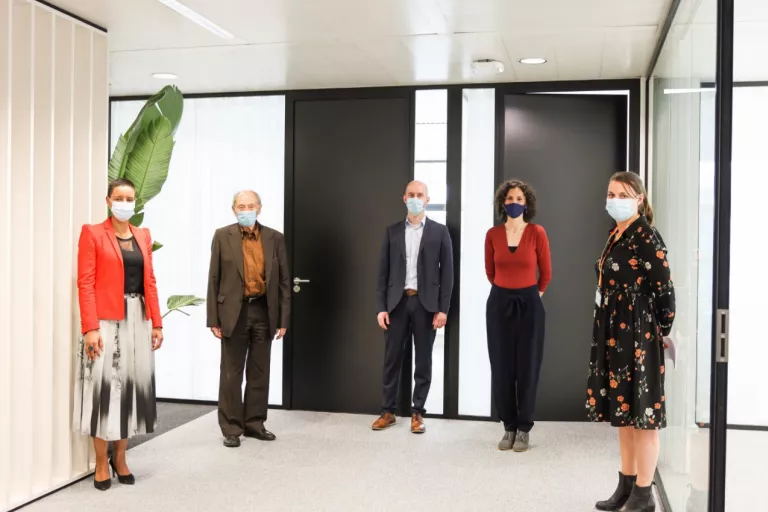
IPBO received by the Belgian Minister of development and cooperation
On May 11th, Marc Van Montagu, Laura Cortada and Marc Heijde were received by the Belgian Minister of development and cooperation Meryame Kitir and her advisor Joke Bosteels. This meeting was an opportunity to share the IPBO vision on the use of science and technology to support the development of sustainable research and agrosystems in Africa. We presented how our vision is substantiated through three strategic priorities: Scientific Development and Technology Exchange, Education and Capacity Building, and awareness creation.
We presented the running projects like the work on the EU-funded LEAP-AGri project on Climate smart bananas (CLISMABAN). We also shared our vision on how capacity building can have a long-term impact on science and society. Finally, we explained how we intend to make an impact with two new upcoming projects. One is the “Open Door Fellowship Program” which aims to support African women in Science.
Picture made at the ministry of development and cooperation with from left to right; Minister Meryame Kitir, Marc Van Montagu, Marc Heijde, Laura Cortada and Joke Bosteels.
"We are like Gods" interview with Geert De Jaeger
About the complexity of Glyphosate, Monsanto, Genetically Modified Organisms.
Geert De Jaeger is a Professor of Plant Biotechnology and Bioinformatics at Ghent University and with his research embedded in the world-renowned VIB (Flemish Institute for Biotechnology)
"Green Enlightenment" webinar by Marc Van Montagu
In this inaugural webinar, Marc Van Montagu talked about Science as a fundamental tool to understand life in general and human societies in particular. Observations on cause and effect and mathematical reasoning have helped us understand the nonliving world so well that we have called it Enlightenment. Until recently, the application of these "laws of nature" to explain the behavior of animals has brought nothing but confusion and anarchy. Understanding molecular and cellular biology, genetics, evolution, and ecology gives hope that we can wake up from this nightmare. How important are these reflections for the Plant B+B network?
More News
International Day of Women & Girls in Science
International Day of Women & Girls in Science
To commemorate the International Day of Women & Girls in Science! The existence of this day proves that we still have a long way towards equal access to education for girls and women. At IPBO we definitely want to reflect and act.
Testimonials Plant B+B partners
Testimonials Plant B+B partners
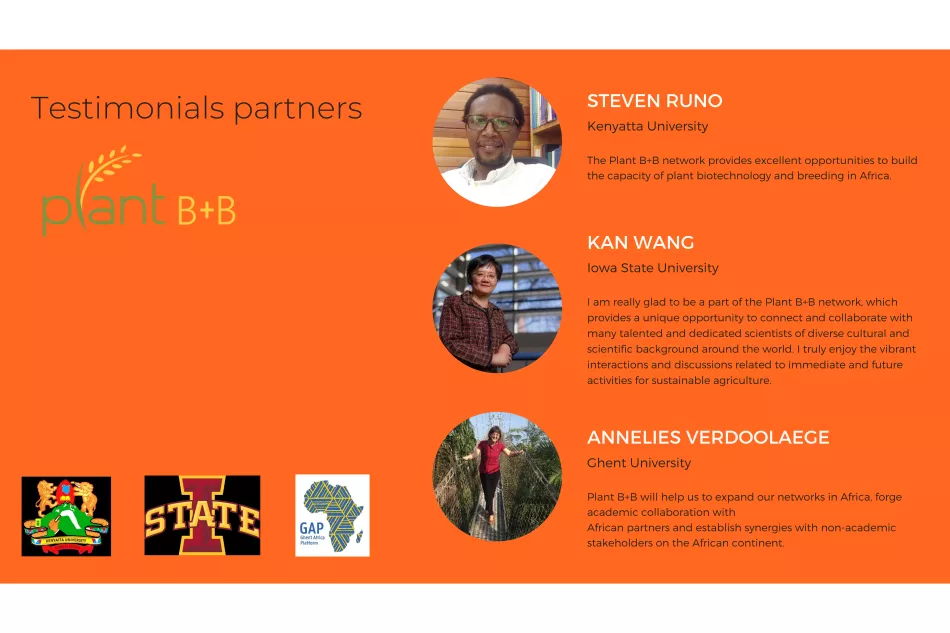
Plant B&B network will strengthen the existing excellence at UGent and the capacity of its global collaborators. Partner selection was based on their current research/activities on plant breeding/biotechnology, the existing and previous collaborations with UGent, and their commitment to scientific communication.
Funding Opportunities Plant B+B
Funding Opportunities Plant B+B
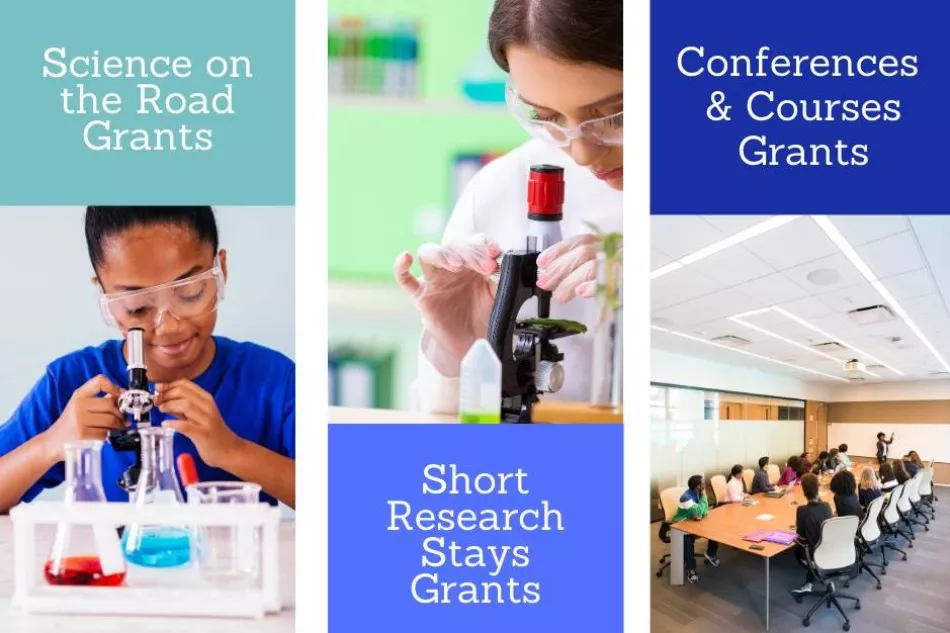
Plant Breeding and Biotechnology will provide grants yearly (2021-2025) for Plant B+B members under competitive action calls.
9th Annual National Biosafety Conference
9th Annual National Biosafety Conference
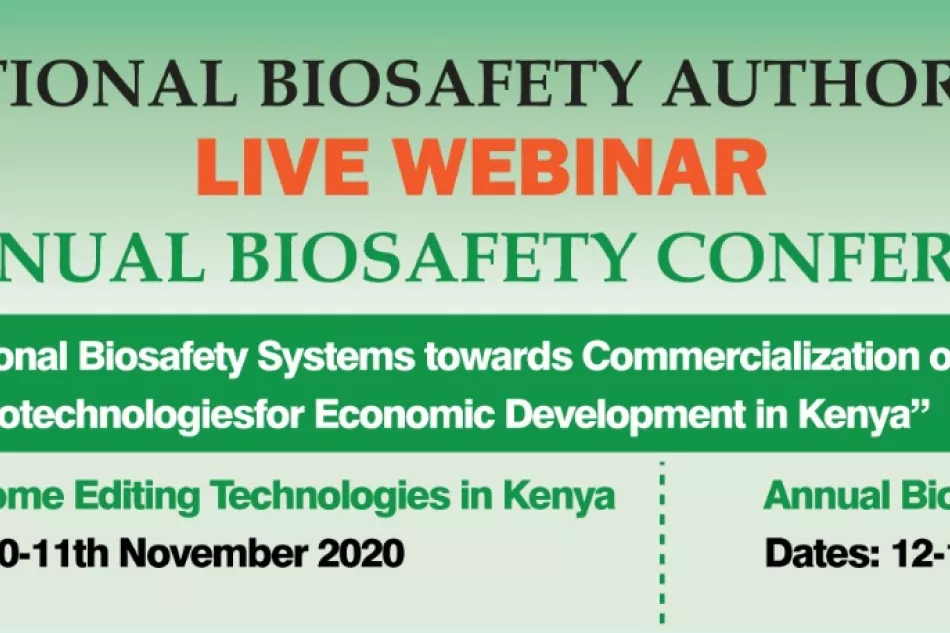
IPBO was co-sponsoring the 9th Annual National Biosafety Conference organized by the National Biosafety Authority.
Omics for All
Omics for All
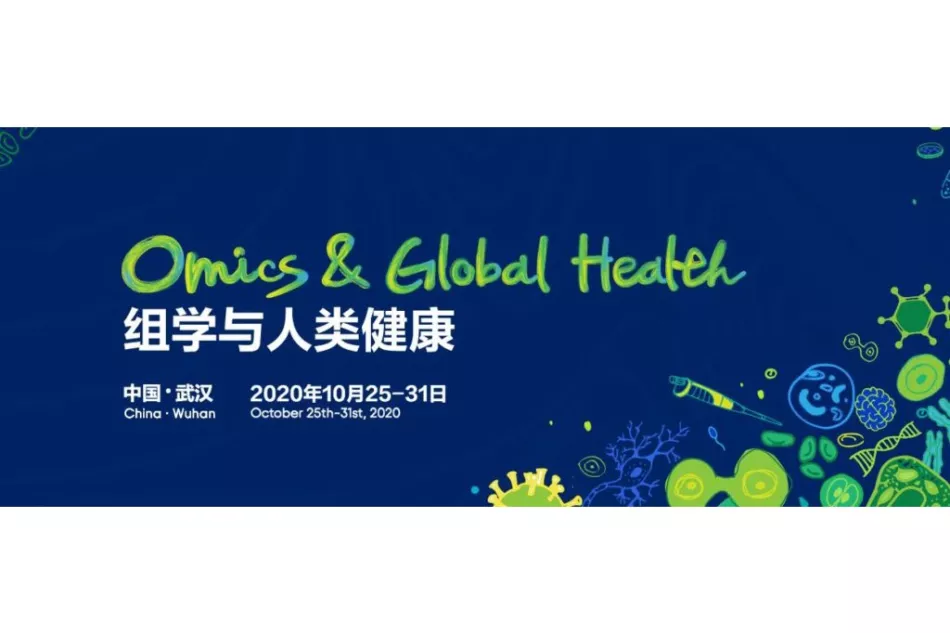
Em. Prof. Marc Van Montagu participated virtually in the 15th edition of the International Conference on Genomics (ICG-15) to be held on Oct. 25th-31st, 2020, in Wuhan City, China.
ICG is the well-known global platform for free discussions related to the theme of “OMICS for ALL”, facilitating cooperation, innovation, and applications in the field of omics. The leitmotif of the ICG-15 is “Omics and Global Health”, covering the vast fields of life sciences, especially omics, from global collaboration and education, ethics, to state-of-the-arts and breakthroughs in technology development, to big data and biobanking, and global sustainable development.
Marc Van Montagu participated in the IV-5 Panel discussions: Inter- and transdisciplinary issues: foundations of comprehensive science in their relation to OMICS and Global Health – in the reality of COVID-19 and the threat of future pandemics.
World Laureates Forum
World Laureates Forum
Em. Prof. Marc Van Montagu participated virtually in the 3rd World Laureates Forum (WLF) held in Shanghai, China from October 30 to November 1, 2020. The WLF is organized annually by the World Laureates Association (WLA), a nonprofit organization with headquarters in Shanghai dedicated to promoting excellence in science and steering scientific development for the shared future of mankind. In this 3rd edition, the WLF brought together the smartest brains in the world to discuss global concerns encompassing the COVID-19 pandemic and the relations between humans and nature on topics such as disasters, biological diversity, and climate change.
Marc Van Montagu participated in the section on Hunger and Poverty and will expound his views on the importance of life science to understand how emotion and reason interacted to create mankind as moral and political beings and how these values are connected with the acceptability of scientific developments.
Collaboration between Ghent University and its Nigerian partners
Collaboration between Ghent University and its Nigerian partners
On the 13th of October, the Ghent Africa Platform (GAP) organized the webinar ‘Showcasing academic collaboration between Ghent University and its Nigerian partners‘. This online webinar involved several Nigerian Universities with bilateral agreements with UGent, UGent international research platforms, Nigerian PhD students, and international research organizations such as the International Institute of Tropical Agriculture (IITA) and the International Plant Biotechnology Outreach (IPBO). The seminar was very successful with the participation of more than 70 people. The attendees had an overview of the existing academic and research projects in Nigeria linked to the UGent community, thus emphasizing the positive impact that such connections and interactions have on the advancement of science and education.
At IPBO, we are working hard towards expanding our portfolio of projects for strengthening the scientific links between EU & West Africa to promote food security and build the capacity of scientists.
Our team is grateful to the GAP for allowing us to be part of such a vibrant and dynamic community.
Workshop: Opportunities and challenges for hybrid potatoes in East Africa
Workshop: Opportunities and challenges for hybrid potatoes in East Africa
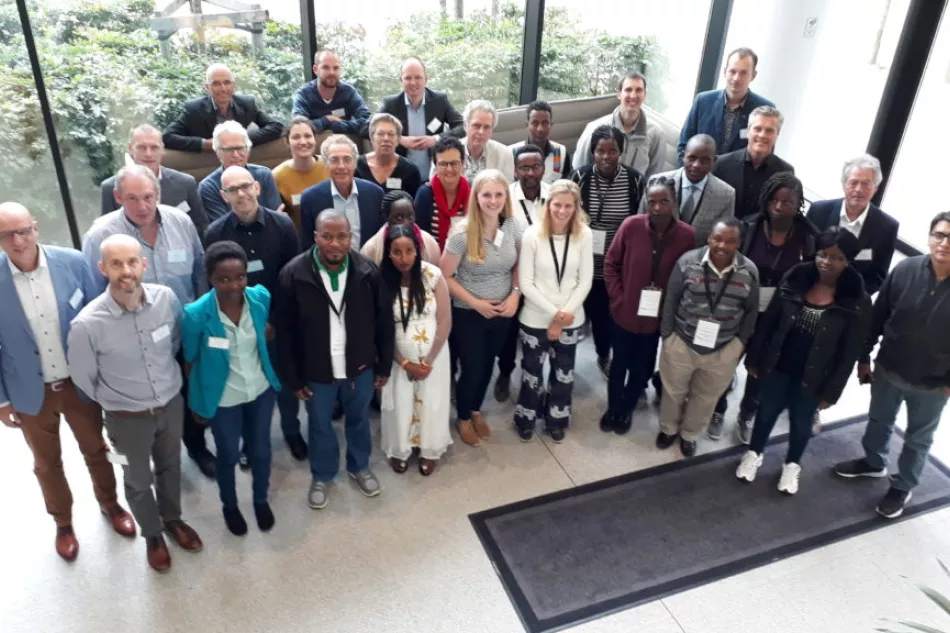
The major aim of the workshop is to assess the opportunities and challenges for hybrid potato breeding and cultivation in East Africa from a perspective of ‘responsible innovation’. Responsible innovation in this context seeks to benefit productivity, sustainability, diversity, and equity in systems of agriculture, while taking into account the needs and interests of a variety of stakeholders.
November 5, 2018 – Weizmann Institute of Science awarded Prof. Marc Van Montagu the title of Doctor Honoris Causa
November 5, 2018 – Weizmann Institute of Science awarded Prof. Marc Van Montagu the title of Doctor Honoris Causa
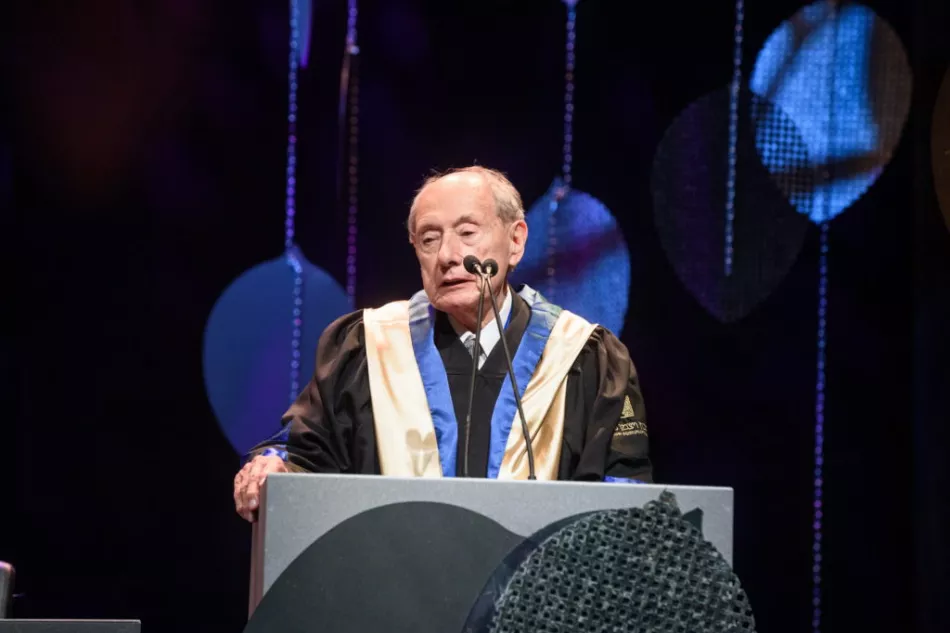
The Weizmann Institute of Science granted professor Marc Van Montagu the title of Ph.D. honoris causa. The ceremony of conferment took place in Rehovot on the 5th of November 2018 during the annual general meeting of the Institute’s International Board.
‘Well Fed’ Movie Screening & Debate with Filmmakers – 25 September (19:00-22:00)
‘Well Fed’ Movie Screening & Debate with Filmmakers – 25 September (19:00-22:00)
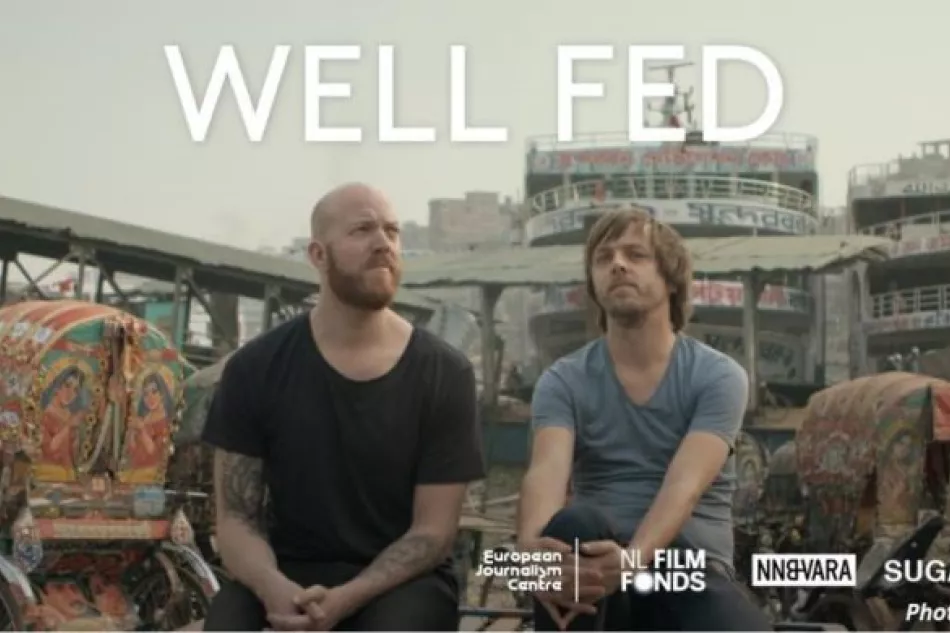
Are you food privileged or food-deprived?
Facing the truth about food security and GMOs in Europe & abroad.
A special movie screening and panel debate about the Dutch documentary “Well Fed” (with English sub-titles), hosted by the International Plant Biotechnology Outreach cell of the VIB (Vlaams Instituut voor Biotechnologie) in partnership with Europabio, as part of European Biotech Week. Filmmakers Karsten de Vreugd and Hidde Boersma explore and discuss the issue of food security and GMOs from a European and global perspective.
July 16, 2018 – Biosafety Short Course at Godfrey Okoye University, Enugu, Nigeria
July 16, 2018 – Biosafety Short Course at Godfrey Okoye University, Enugu, Nigeria
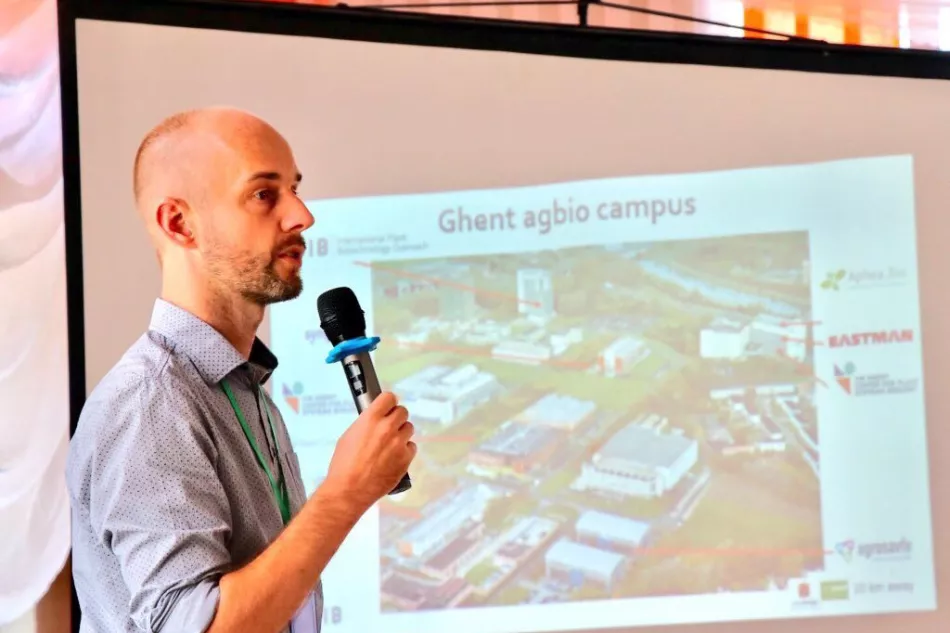
Nigeria is one of the very active countries willing to adopt GM technology to boost its agriculture with Bt cotton that might well be grown very soon in the country. The National Biosafety Management Agency (NBMA), NEPAD African Biosafety Network of Expertise, Michigan State University, and the Godfrey Okoye University organized a workshop aimed at empowering important stakeholders with current information on the safe management of biotechnology for socio-economic development. The workshop was held at the Godfrey Okoye University in Enugu, Nigeria. Marc Heijde from IPBO was invited as a resource person to present “Status of biotechnology and biosafety in Europe” and moderate a session on Public participation in biosafety processes”. This course will hopefully be a start of a long term partnership with Nigeria and the Godfroey Okoye University for implementing plant biotechnology research and development in the country.
Scientific innovation for a sustainable development of African agriculture Thursday 30th and Friday 31st of August 2018
Scientific innovation for a sustainable development of African agriculture Thursday 30th and Friday 31st of August 2018
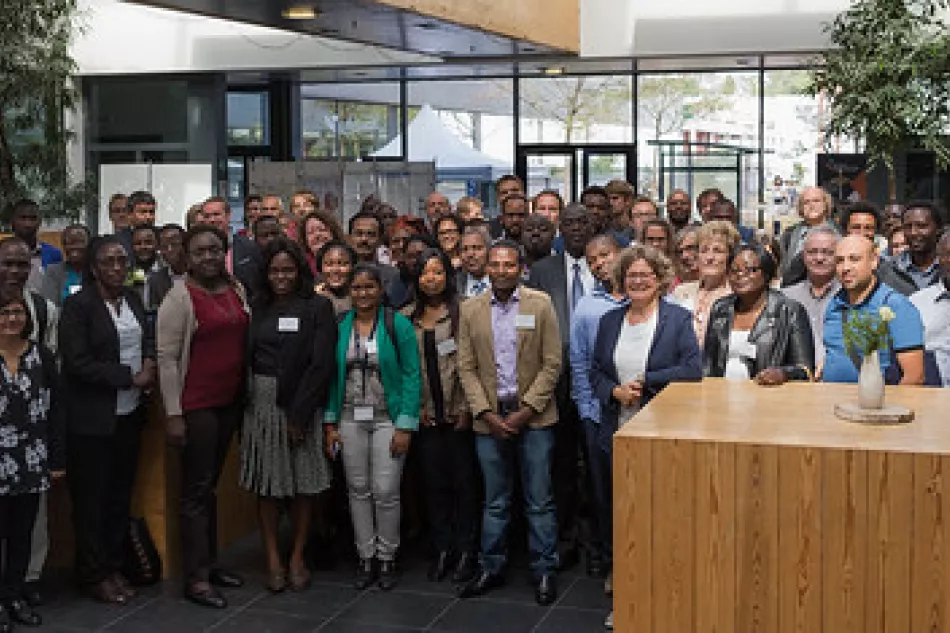
The conference was divided in several topics, each discussing a specific constraint in agriculture: (1) Relevant crops for Africa; (2) Creating new plant varieties through scientific innovation; (3) Improved soil fertility to enhance crop yields; (4) Biotic stresses threatening crop yields; (4) Abiotic stresses threatening crop yields; (5) Mycotoxins, a threat for both human and animal health and (6) Enhancing the nutritional value of important crops for Sub-Saharan Africa
May 6-8 2018 – 7th International Food Legume Research Conference
May 6-8 2018 – 7th International Food Legume Research Conference
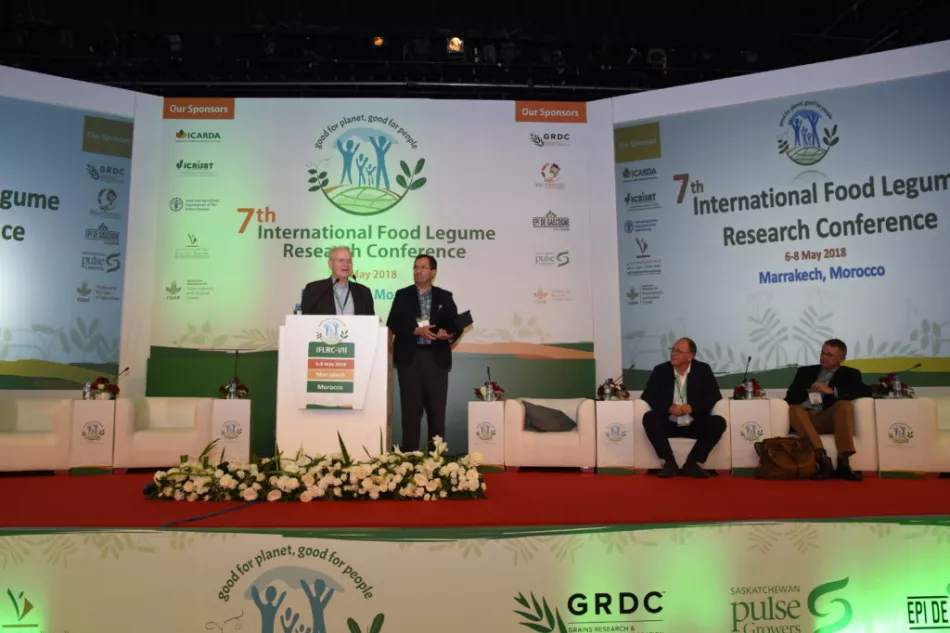
On May 6-8 2018 at the 7th International Food Legume Research Conference held in Marrakech, Marocco, IPBO was represented by Prof. Fernand Lambein. With his conference talk entitled “Grass pea (Lathyrus sativus): Boon or Bane”, he opened the workshop “Lentil and Grass pea”. During the closing ceremony, Prof. Lambein was honored for his life-time contributions to Lathyrus research by the ICARDA (International Centre for Agricultural Research in Dry Areas).
October 22, 2017 – Biotech day: IPBO was there!
October 22, 2017 – Biotech day: IPBO was there!
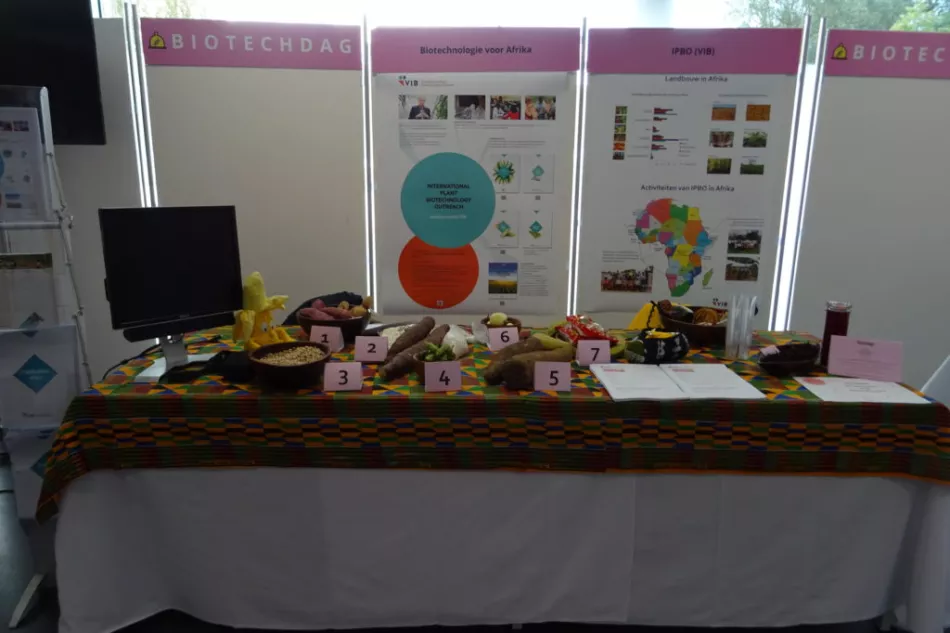
On October 22nd, 2017, Biotech day in Ghent welcomed about 4350 visitors. Young and old had the opportunity to discover how research and food are linked. Several VIB laboratories and companies presented their research and also IPBO was there! At the stand of IPBO, the visitors could discover and taste vegetables and fruits from Africa. Children could fill in a quiz and listen to a 30 minutes lecture “Biotechnology for Africa”.
Movie Screening “Food evolution” and debate about the benefits of and concerns about applying modern biotechnology in agriculture.
Movie Screening “Food evolution” and debate about the benefits of and concerns about applying modern biotechnology in agriculture.
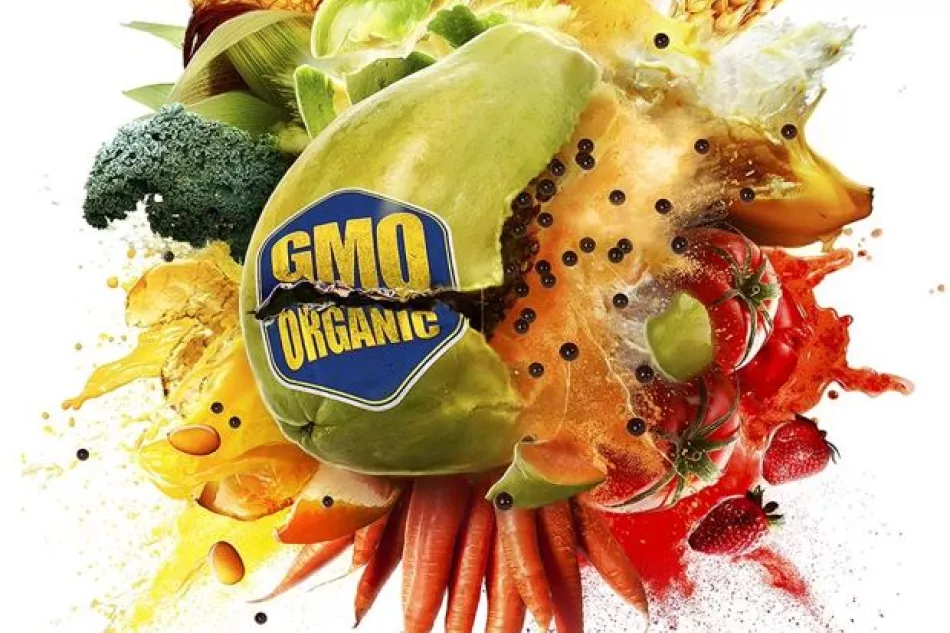
The invention of genetic transformation of plants in the early 1980s (Van Montagu and Schell, University of Ghent) has resulted in one of the fastest adoptions of new technology in the history of agriculture. At the same time, the use of these new techniques also started a global debate about the benefits of and concerns about applying modern biotechnology in agriculture. That global debate continues up to today and has in fact intensified over the years in Europe.
As one of the activities of Biotech Week 2017, we organized a debate on the role of modern biotechnologies in sustainable agriculture, the concept of responsible innovation, and whether the EU can benefit from agricultural biotechnologies and innovation, including GMOs, while maintaining high safety standards on 26th September 2017 at the Koninklijke Vlaamse Academie van Belgie (KVAB) in Brussels.
June 24, 2017: Launching of the “Marc and Nora Van Montagu Fund”
June 24, 2017: Launching of the “Marc and Nora Van Montagu Fund”
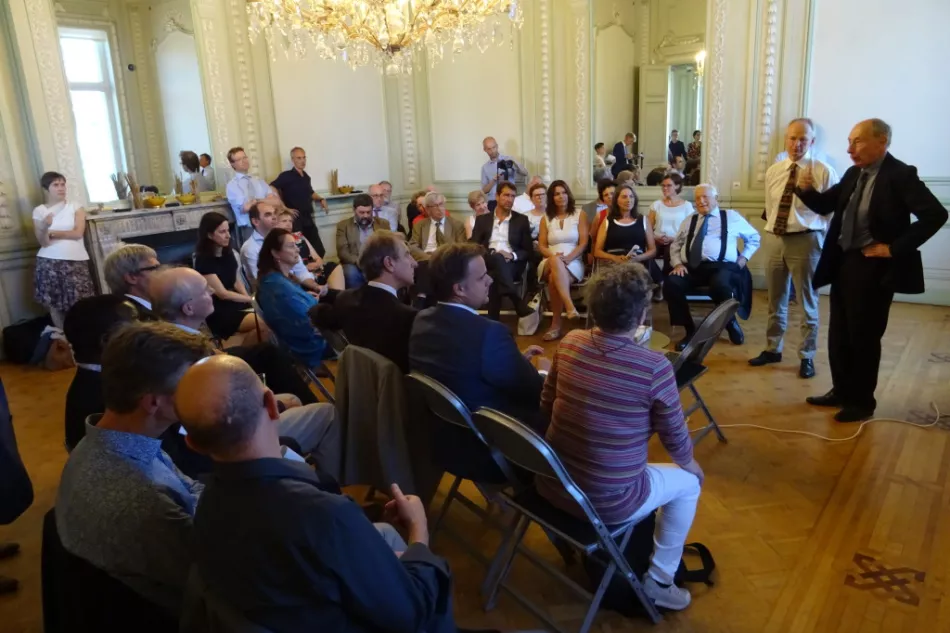
Friday, June 24th, 2017, the “Marc and Nora Van Montagu Fund” was launched in the Belvue Museum in Brussels in the presence of politicians, ambassadors, scientists, colleagues, and friends of Marc and Nora Van Montagu. Jo Bury, director of VIB, and Jonathan Gressel, Prof. Em. at the Weizmann Institute of Science, emphasized during their talk the importance of Marc Van Montagu for the development of Plant Biotechnology and the importance of this area for agriculture for Africa. Marc Van Montagu also thanked his wife Nora because his career would not have been what is today without her support.
The MNVM fund will foster project development and partnerships with Africa, a mission we can only achieve with the generous contributions of individuals or institutes who support our cause.
8th Meeting of the IOBC/WPRS working group: GMOs in Integrated Plant Production
8th Meeting of the IOBC/WPRS working group: GMOs in Integrated Plant Production
IPBO was co-organizer of the “8th Meeting of the IOBC/WPRS working group: GMO’s in integrated plant production”. The following topics were be covered during the meeting: (i) Modern biotechnology in integrated crop management; (ii) Risk assessment of GM plants including products from the public sector; iii) Plant protection products produced by GMOs, including microbials and microorganisms; (iv) Plants using RNAi technology to provide pathogen or insect resistance; (v) New plants derived from biotechnology (including genome editing) and their potential for IPM; (vi) Insect resistance management strategies of GM crops and (vii) GM insects for agriculture.
IIBN 2017 Forum: Biotechnology: From innovation to industrial production l 10 May 2017 l Ghent, Belgium
IIBN 2017 Forum: Biotechnology: From innovation to industrial production l 10 May 2017 l Ghent, Belgium

In many parts of the world, a knowledge-based bio-economy is emerging using eco-efficient bio-processes and renewable biological resources to create new value chains. These innovations are enabled by unprecedented advances in biotechnology offering new technological solutions for sustainable agricultural development and the production of food, feed, fiber, energy, and improved health care from renewable biomass or underutilized biological resources.
The 2017 IIBN Forum brought together experts in the area of biotechnology who addressed the industrial chain from innovation to the market side. The focus was to promote value creation beyond food production to support sustainable development in Africa and other developing countries.
East African scientists and regulators attended an advanced biosafety course
East African scientists and regulators attended an advanced biosafety course
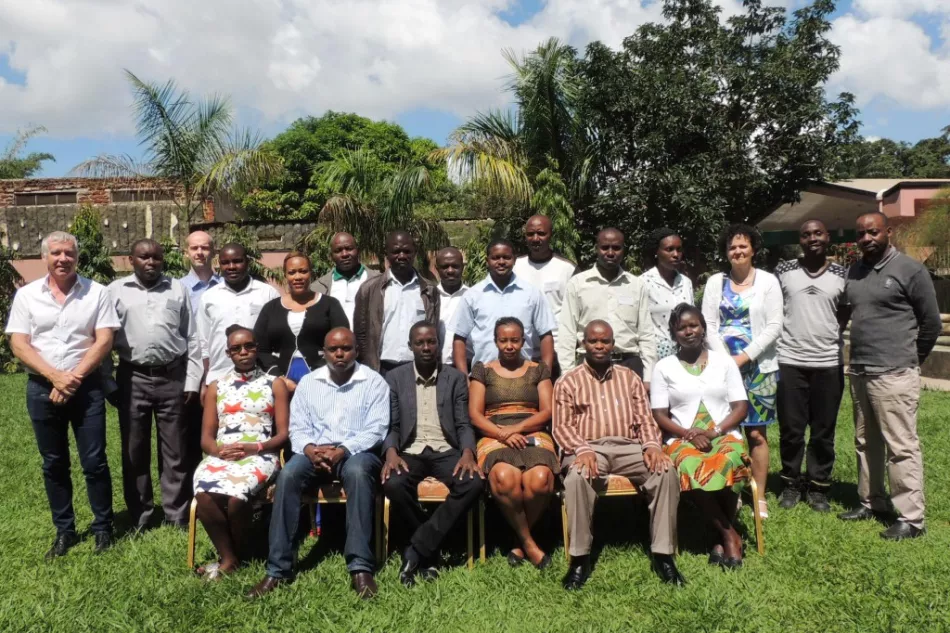
On November 4-13 2016, a 10-day course, organized by IPBO in collaboration with UGent and CIP (International Potato Center), took place in Entebbe, Uganda.
This course was funded with the support of VLIR-UOS, the International Potato Center, the 2 Blades Foundation, Ghent University, and the Flemish Institute of Biotechnology (VIB).