
CROPeth activities
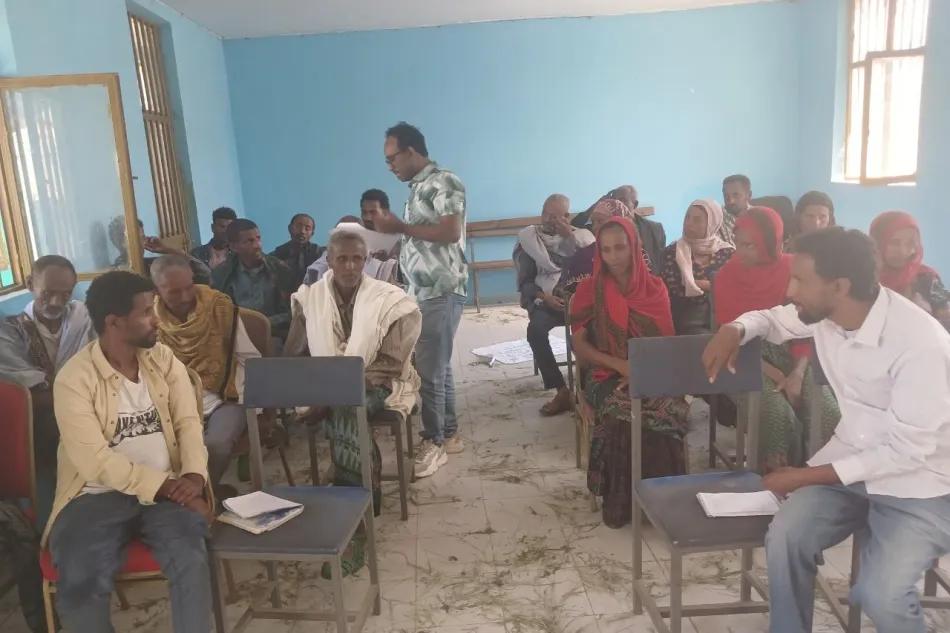
Focus Group Discussion
The focus group discussions (FGDs) conducted across four selected kebeles aimed to gain a comprehensive understanding of current agricultural practices, with particular emphasis on introducing enset and optimising chickpea-sorghum cropping systems. Since enset is not traditionally cultivated for food in the area, discussions with farmers focused on raising awareness of its potential benefits and assessing the feasibility of integrating it into local farming systems. The role of chickpea was also explored, identifying opportunities for its incorporation into existing cropping patterns. The FGDs were organised in collaboration with local authorities, and each group was designed to be inclusive, ensuring balanced representation across gender and vulnerable community members.
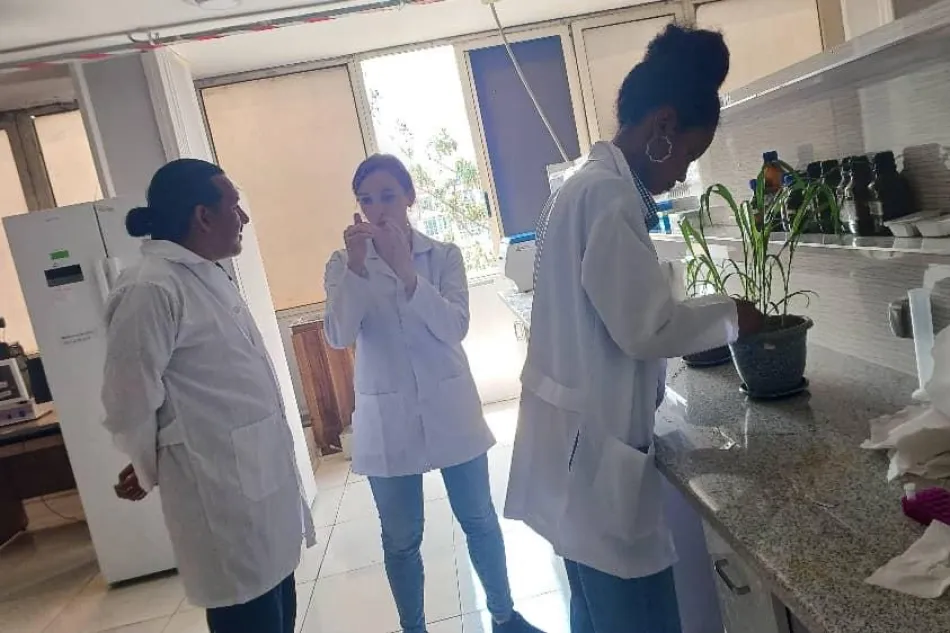
Training on sampling for RNA-Seq
In May 2025, Dr. Yasmine Vanhevel from PSB-VIB conducted a training session at BETin on sampling the shoot apical meristem for RNA‑sequencing (RNA‑seq). This session was delivered to three BETin scientists as part of the project’s objective to strengthen institutional capacity in molecular breeding techniques. The training included hands-on instruction on dissecting, sampling, and preserving meristematic tissue for downstream RNA‑seq analysis, skills essential for identifying drought-responsive genes in sorghum.
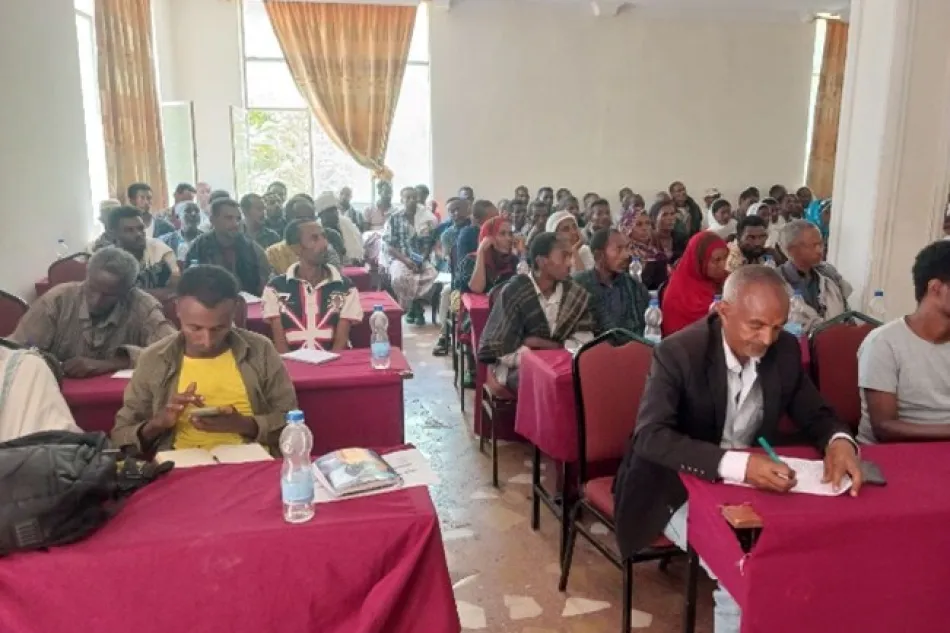
Training workshops
Training workshops were organized to inform farmers and extension agents about the benefits of the target crops, improved cropping systems, and best production practices. Held in both districts involved in the project, the workshops brought together representatives from agriculture offices, extension agents, farmers, and researchers. They provided a platform for knowledge exchange and strengthened collaboration among stakeholders, with a focus on intercropping practices that improve land use and productivity. A total of 209 farmers were trained, with priority given to women-headed households, youth, and motivated model farmers.

Demonstration field and distribution of Enset
Enset (Ensete ventricosum), found only as a wild or ornamental plant in the North part of Ethiopia, was introduced in Wollo to diversify farming systems and strengthen climate resilience due to its drought and flood tolerance. Fifteen demonstration fields were established in highly visible community locations. Additionally, 209 farmers received 3-6 plantlets each.
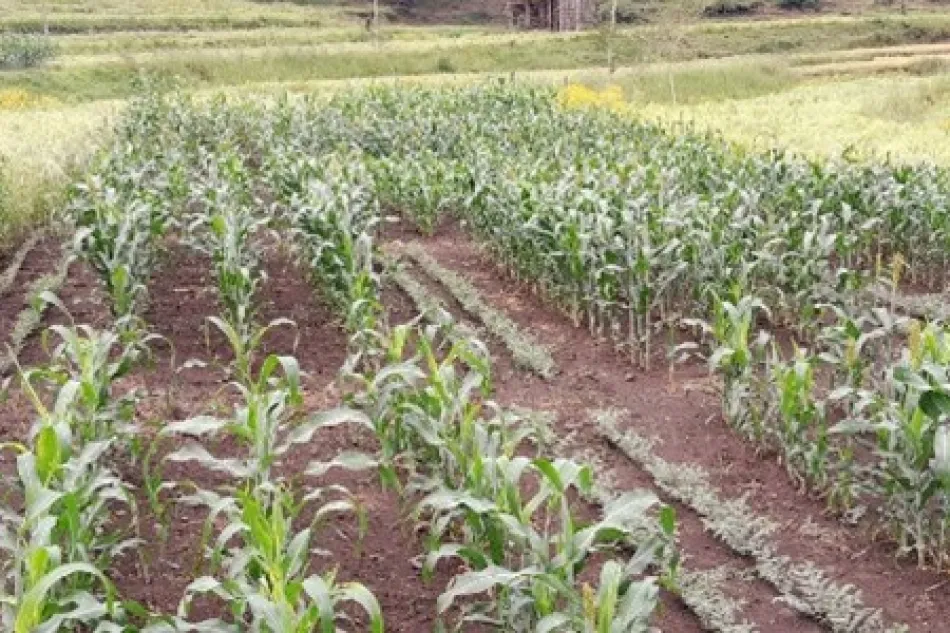
Demonstration field of Sorghum–Chickpea Integration
Guided by FGD results and SARC expertise, the project demonstrated the integration of chickpea into existing sorghum systems, highlighting the agronomic and economic benefits of intercropping these resilient crops under rainfed conditions. Eight demonstration fields (two per kebele) were established to test five treatments, including sole sorghum, three sorghum-chickpea intercropping combinations, and a chickpea-sorghum rotation. Additionally, two experiments in Goshwuha and Gedober were set up to generate samples for RNA‑sequencing.
Collection of samples for RNA Seq analysis
Samples were collected from both field experiments and a controlled growth‑chamber experiment to capture responses under different environmental conditions. Three sorghum varieties were used: two drought‑tolerant (Melkam and Birhan) and one drought‑sensitive local variety (Jigurity).
Field days and farmers' feedbacks
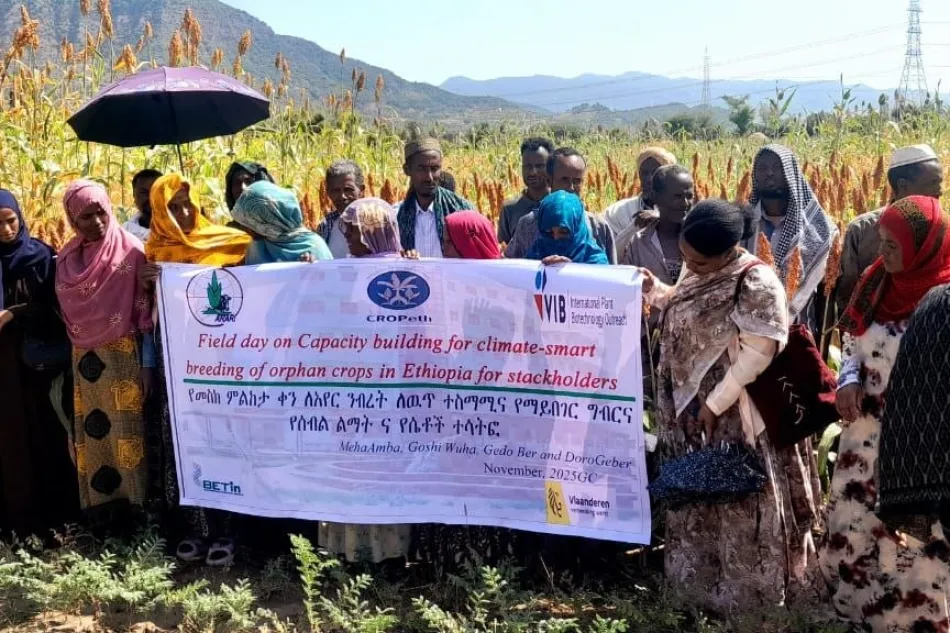
Field days were held at the enset and sorghum–chickpea demonstration plots to gather farmers’ perceptions of crop varieties and cropping systems. Around 50–55 participants per kebele, including farmers and extension agents, assessed sorghum varieties based on early maturity, seed size/yield, injera quality, biomass/feed value, and seed color. Discussions focused on perceived constraints, benefits, and suggestions for improvement.
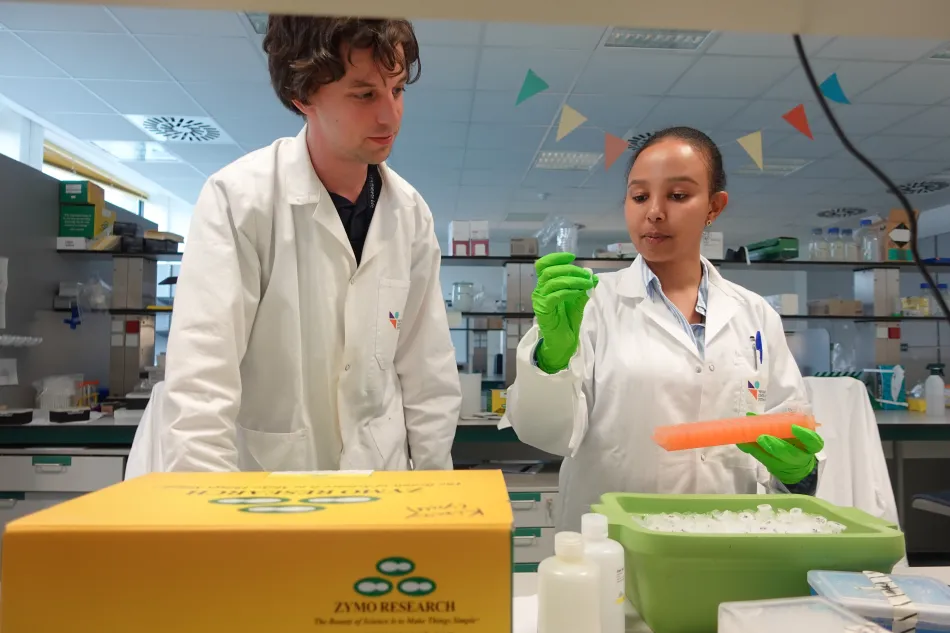
Short Research Stay: BETin scientists at VIB
From February to May 2026, two BETin scientists carried out a three-month research stay at VIB. Dr. Hawi Negusse Tuji was hosted by the Plant Growth Dynamics Lab, where, under the supervision of Prof. Dr. Hilde Nellissen, she performed RNA extraction and analysis on sorghum samples at different developmental stages. Nuhamin Kasu Assefa was hosted by the Plant Genome Editing Lab and, under the guidance of Prof. Dr. Thomas Jacobs, conducted protoplast experiments to support the development of a transformation protocol for enset.